
Evolution
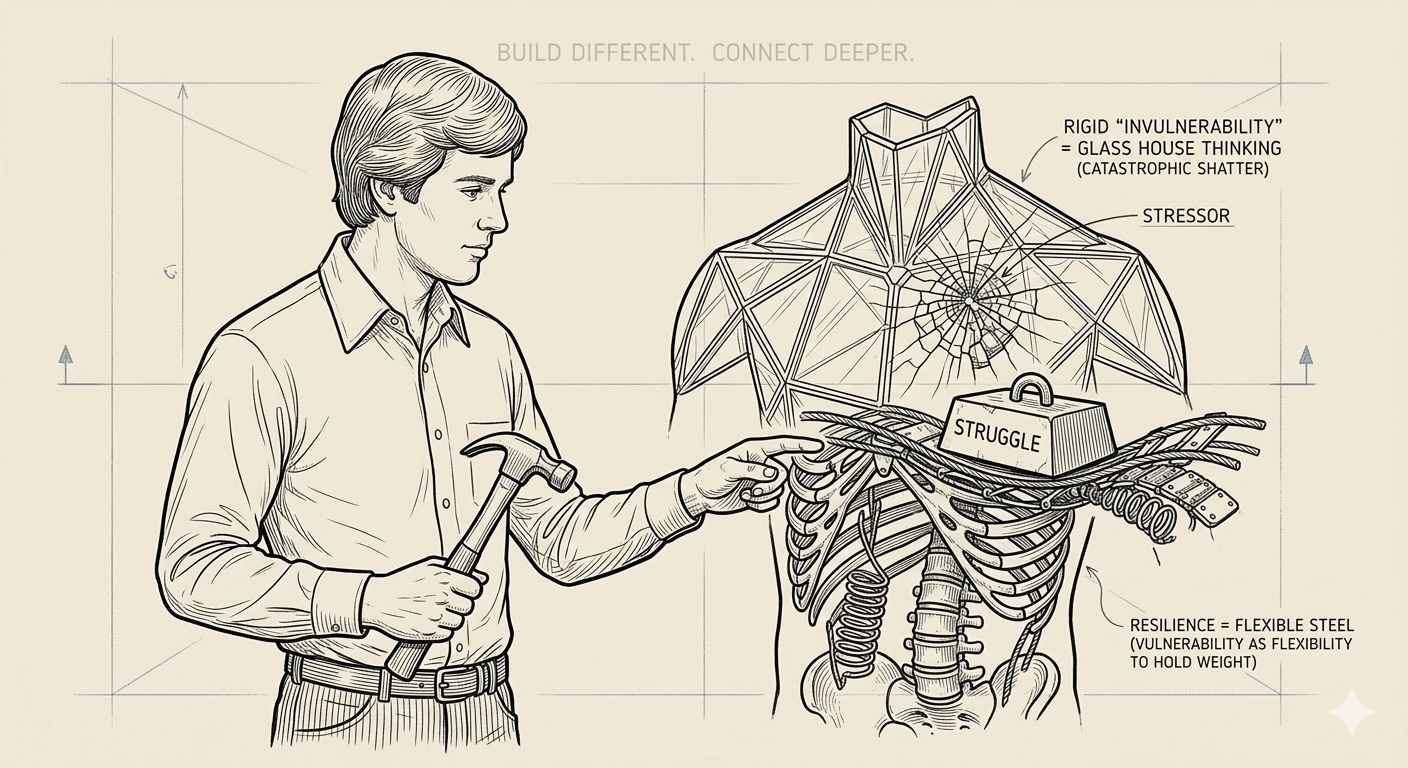
How to Be Vulnerable Without Oversharing: The Art of Selective Transparency
Look, you’ve probably heard two competing sets of instructions your whole life. The first is the old script: “real men” are stoic, silent, and handle everything themselves. The second is the modern “self-improvement” noise telling you to “just open up” and be…

Mirror, Mirror on the Wall: The Truth About “Looksmaxing”
There’s a word spreading through male spaces online right now — on Reddit threads, TikTok comment sections, Discord servers and YouTube channels aimed at guys your age. That word is looksmaxing: the idea that you can systematically optimise your physical appearance to…
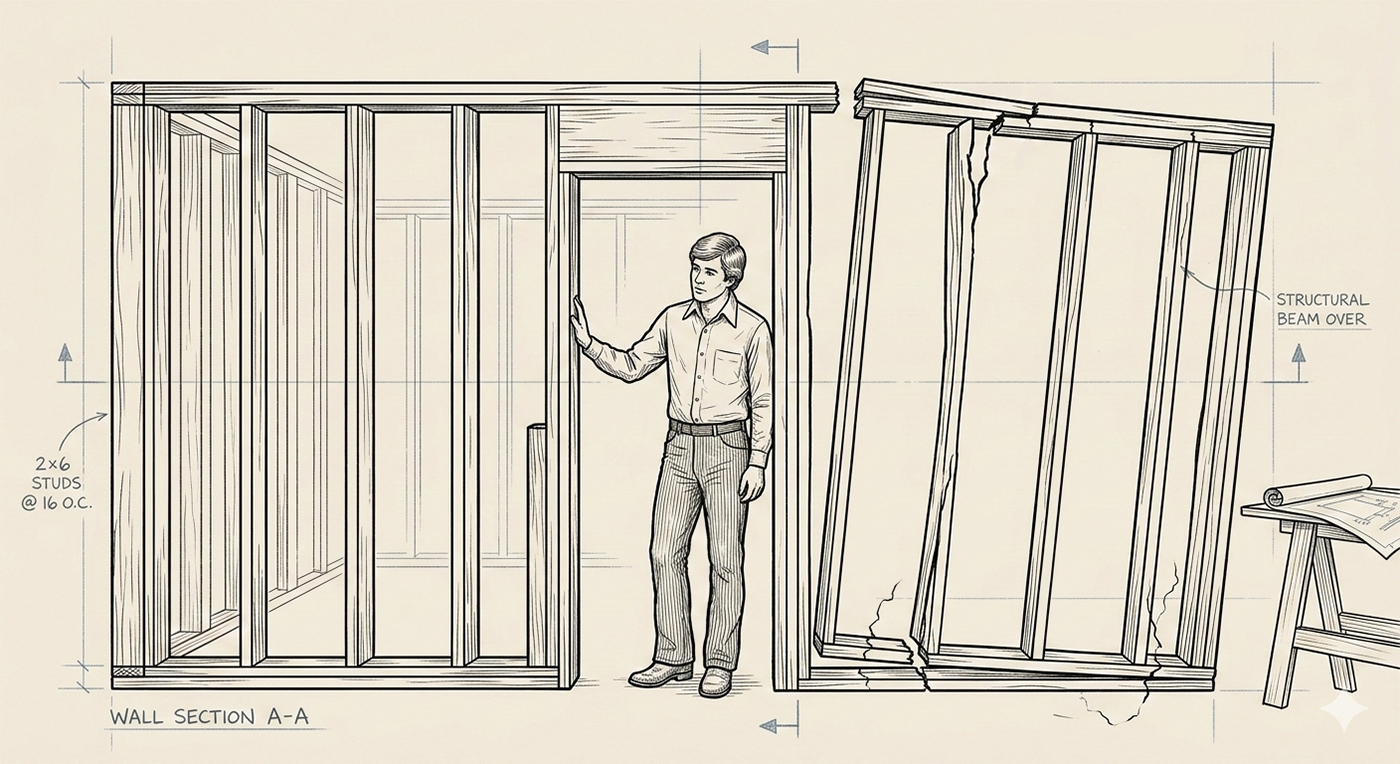
Why Vulnerability Is Load-Bearing (Not Optional)
In the book Built Different, I use the construction metaphor because it’s the clearest one I know: you don’t get to skip the foundation and build from the facade. The boys and young men we’ve worked with at the youth centre have been handed a script that tells them…
The Righteousness Trap: Why Anger Feels Like Power (But Isn’t)
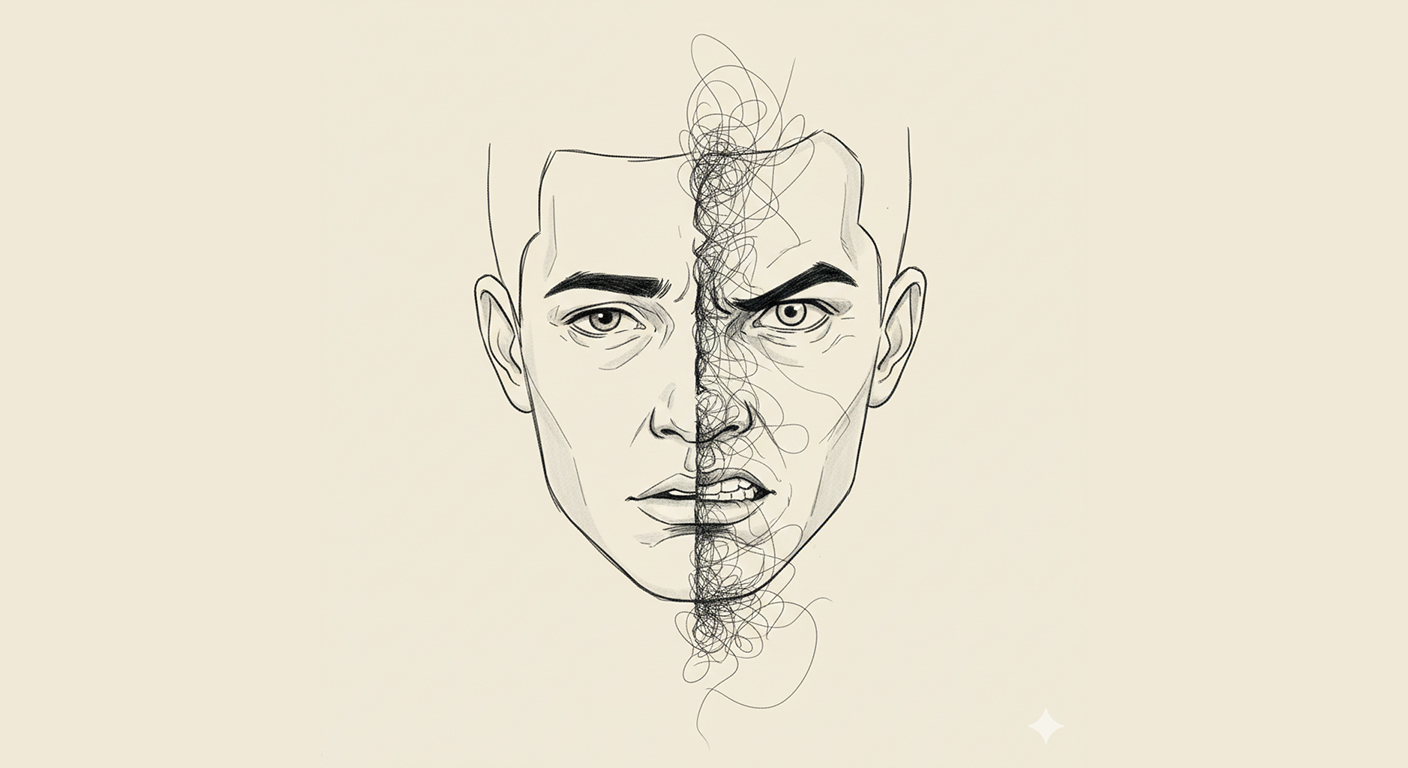
There’s a version of anger that feels like waking up. Like finally seeing clearly. Like becoming the man you were supposed to be. That version is a lie — and it’s one of the most seductive lies you’ll ever believe. The Moment It Clicks You’ve felt it. Someone…
Why Traditional Masculinity Is Failing Young Men Today
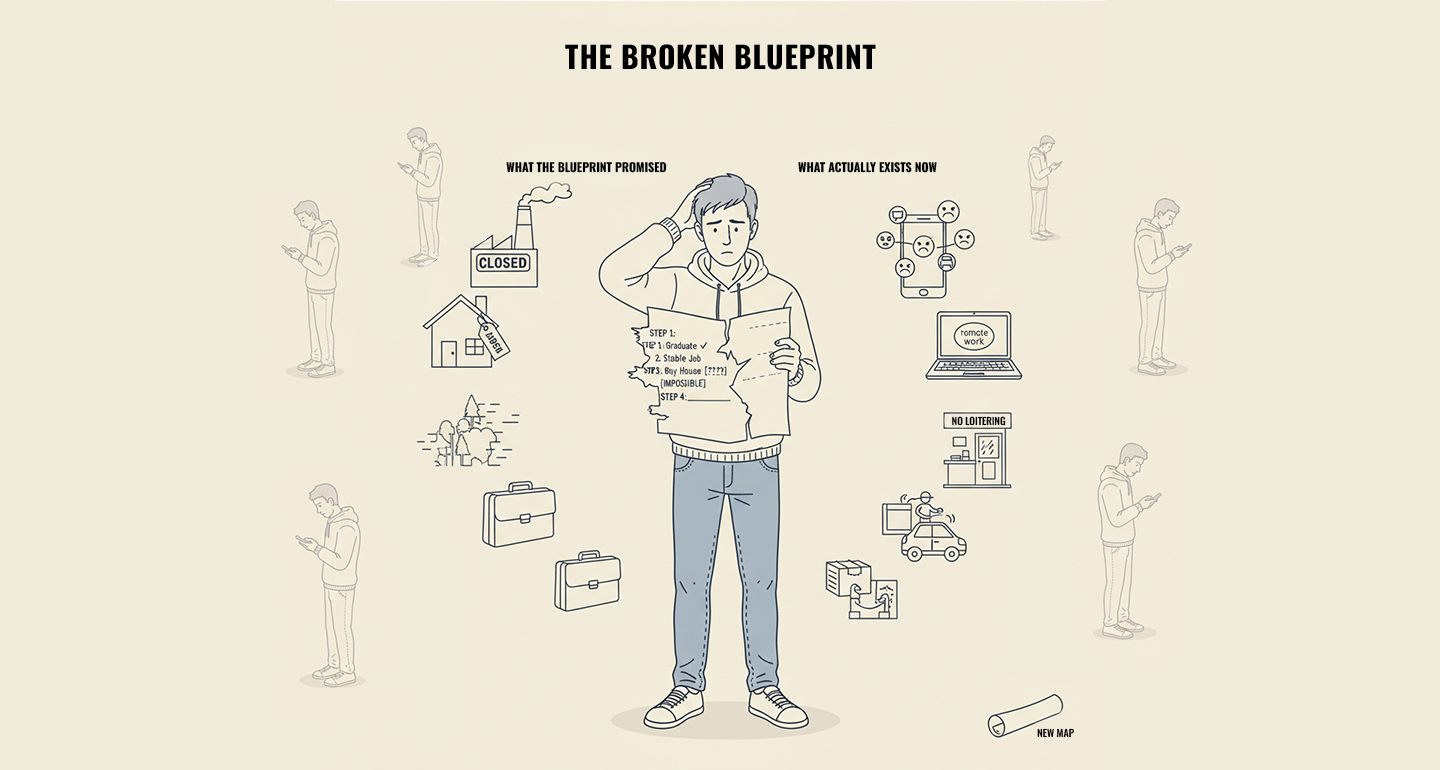
You know the script. Real men don’t cry. They don’t ask for help. They work hard, stay stoic, and provide for their families. Be strong. Be self-reliant. Stay on top. For generations, this came with a deal: follow the rules, get rewarded. Graduate, get a stable job,…

Emotional Literacy Isn’t Weakness—It’s Your Operating System
Here’s something nobody tells you: ignoring your emotions doesn’t make you strong. It makes you slow. Think about your phone for a second. When it starts glitching—running slow, overheating, draining battery—you don’t just ignore it and hope for the best. You check…
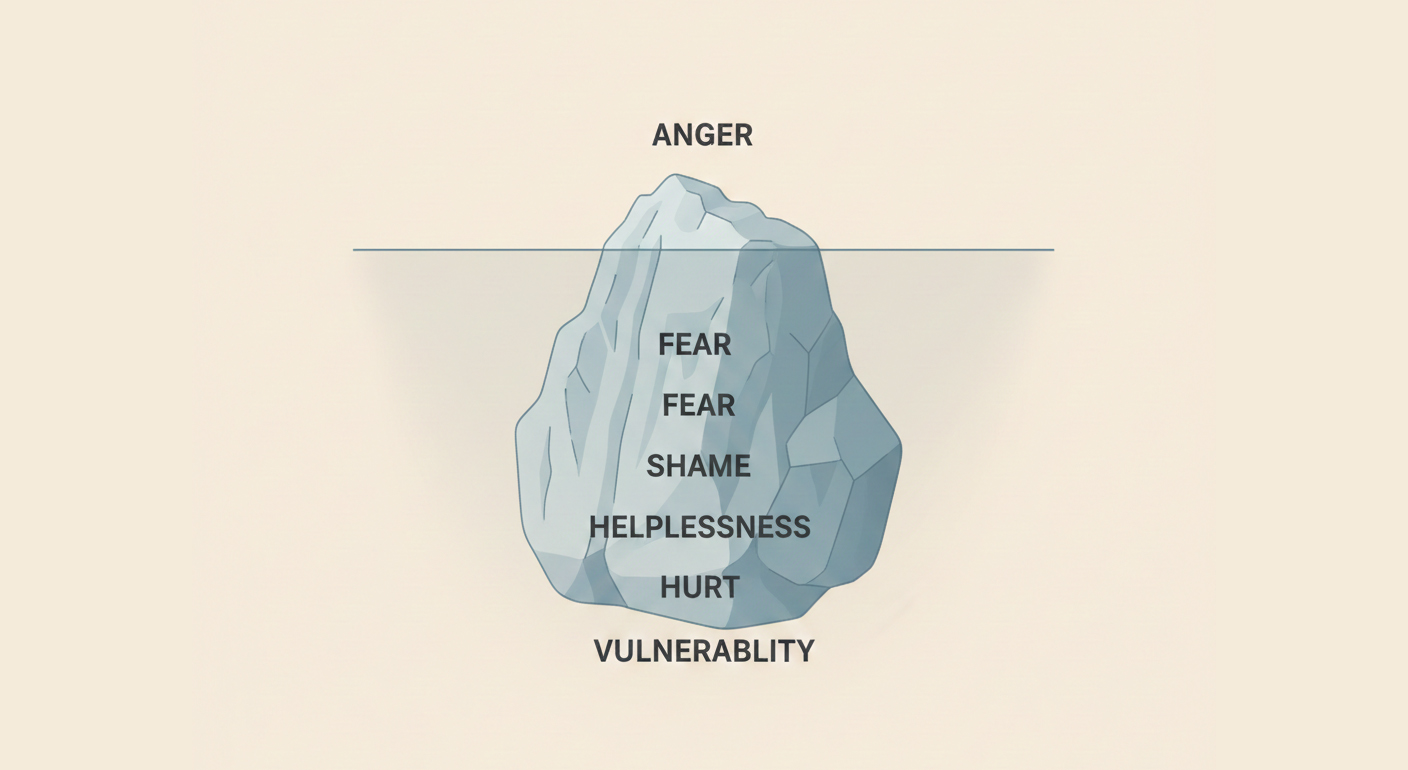
Anger Is Information, Not Identity: What Your Rage Is Trying to Tell You
I used to think I had an anger problem. Turned out, I had a listening problem. For years, anger showed up in my life like an unwelcome visitor I couldn’t get rid of. It would arrive without warning—a flash of heat when someone interrupted me, a clenched jaw during…

Where Emotions Live in Your Body (And How to Read the Signs)
For most of my life, I thought emotions happened in my head. Turns out, I was missing about 90% of the picture. Your body is talking to you all the time. The tension in your shoulders when your boss emails at 9 PM. The knot in your stomach before a difficult…
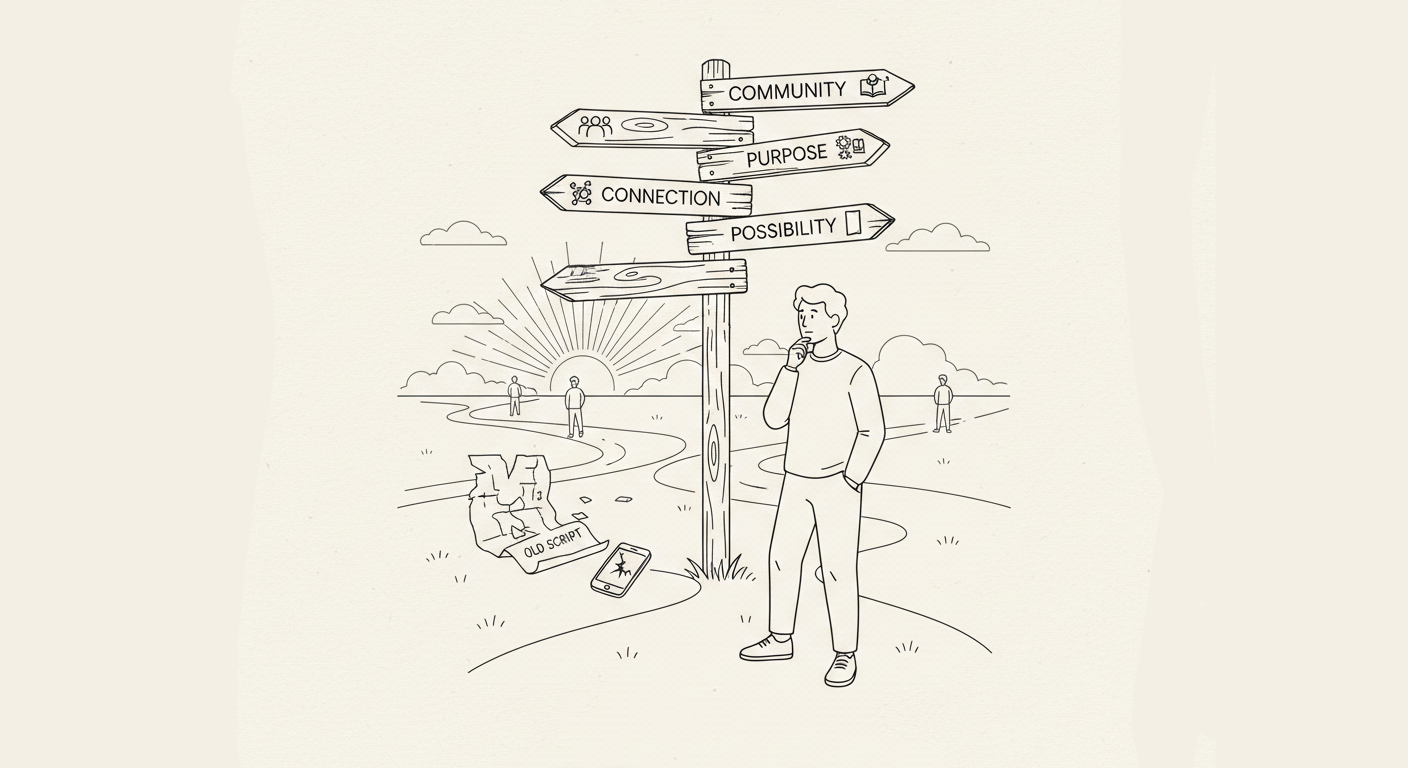
Building Maps for Unmapped Terrain: My Work with Young Men
My notepad at the youth agency where I work never quite gets cleared. Over nearly a decade of working with young men, I fill it with questions they bring us—questions about friendship, loneliness, what it means to be a man in a world that seems to have stopped…
Get notified when there’s a new post.

Keith Wilson
Keith Wilson has spent nearly a decade working with young men at a youth centre and in the community where he lives. He has witnessed firsthand how toxic online influences and the loneliness epidemic are shaping the current generation of young men. Drawing on his own experiences growing up without a clear roadmap for healthy manhood—and later struggling to guide his own son—he immersed himself in research on masculinity and developed the Healthy Manhood program as an alternative to the destructive messages flooding the internet. His work emerges not from having all the answers, but from years of listening to young men trying to navigate terrain that keeps shifting under their feet.