
Essays
The Ghost in the Machine: How Algorithms Weaponize Male Insecurity
Your feed isn’t a mirror of your interests. It’s an engineered environment that learned anger and inadequacy hold attention longest, and the version of you it’s optimizing for is the one who can’t put the phone down.
Building Strength Through Connection, Not Violence
Most relationship harm never leaves a mark. Monitoring, jealousy, financial control, demanding passwords — the cage is built from behaviors that look minor alone, and the need to build it is fear wearing strength’s mask.
How to Be Vulnerable Without Oversharing: The Art of Selective Transparency
Total silence is a foundation that snaps under load; opening up to everyone is a house with no outer walls. Deciding who gets in and how far they go is risk management, not dishonesty.
Mirror, Mirror on the Wall: The Truth About “Looksmaxing”
Showering, lifting, and sleeping properly are worth doing. The ideology built on top of them isn’t: it misdiagnoses a social problem as a facial one, and the goalpost moves every time you reach it.
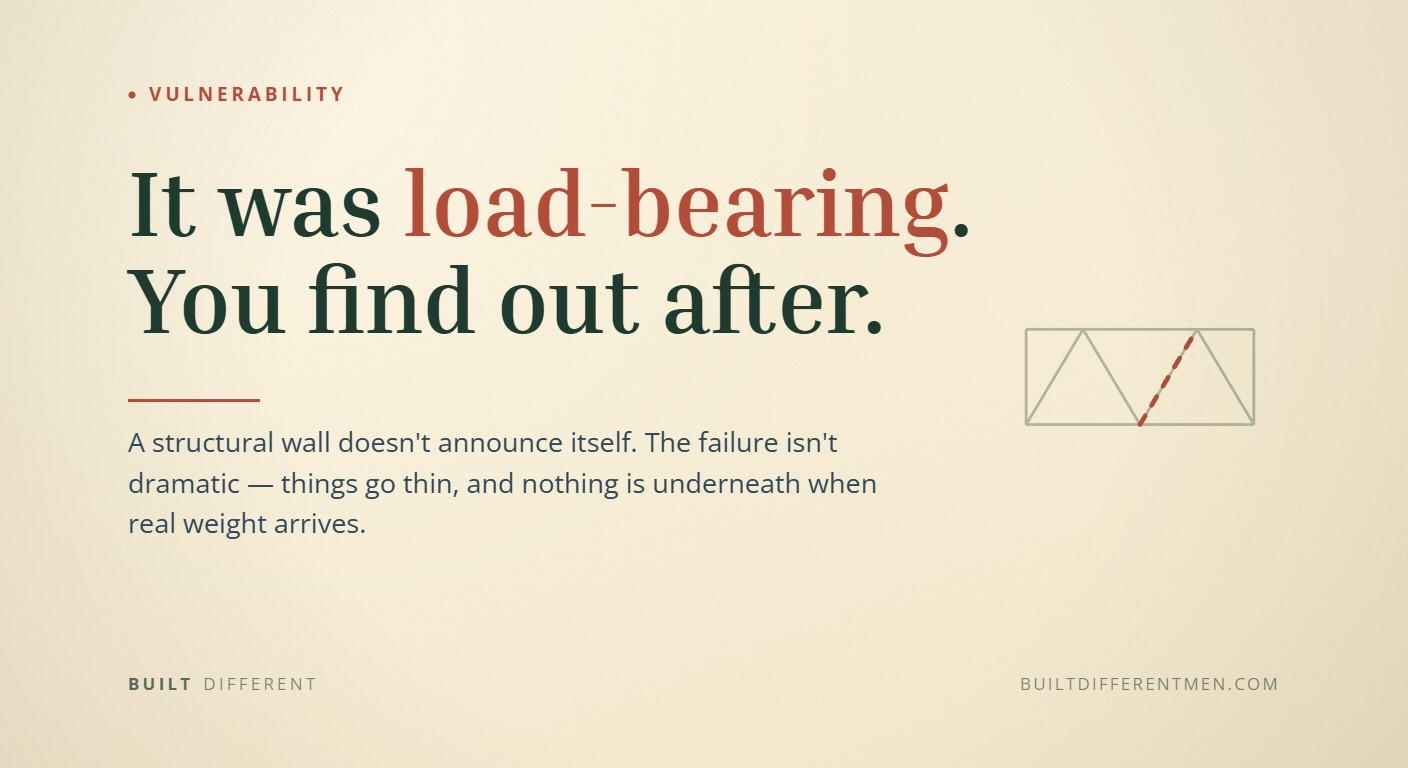
Why Vulnerability Is Load-Bearing (Not Optional)
A structural wall doesn’t announce itself; you find out it was holding the ceiling when someone removes it. The failure that follows is rarely dramatic — relationships go thin, and there’s nothing underneath when real weight arrives.
The Righteousness Trap: Why Anger Feels Like Power (But Isn’t)
Anger collapses an uncertain situation into a single target, which feels like control and isn’t. Real insight implicates you and leaves room for doubt; if your account of events has no ambiguity in it, that’s the warning.
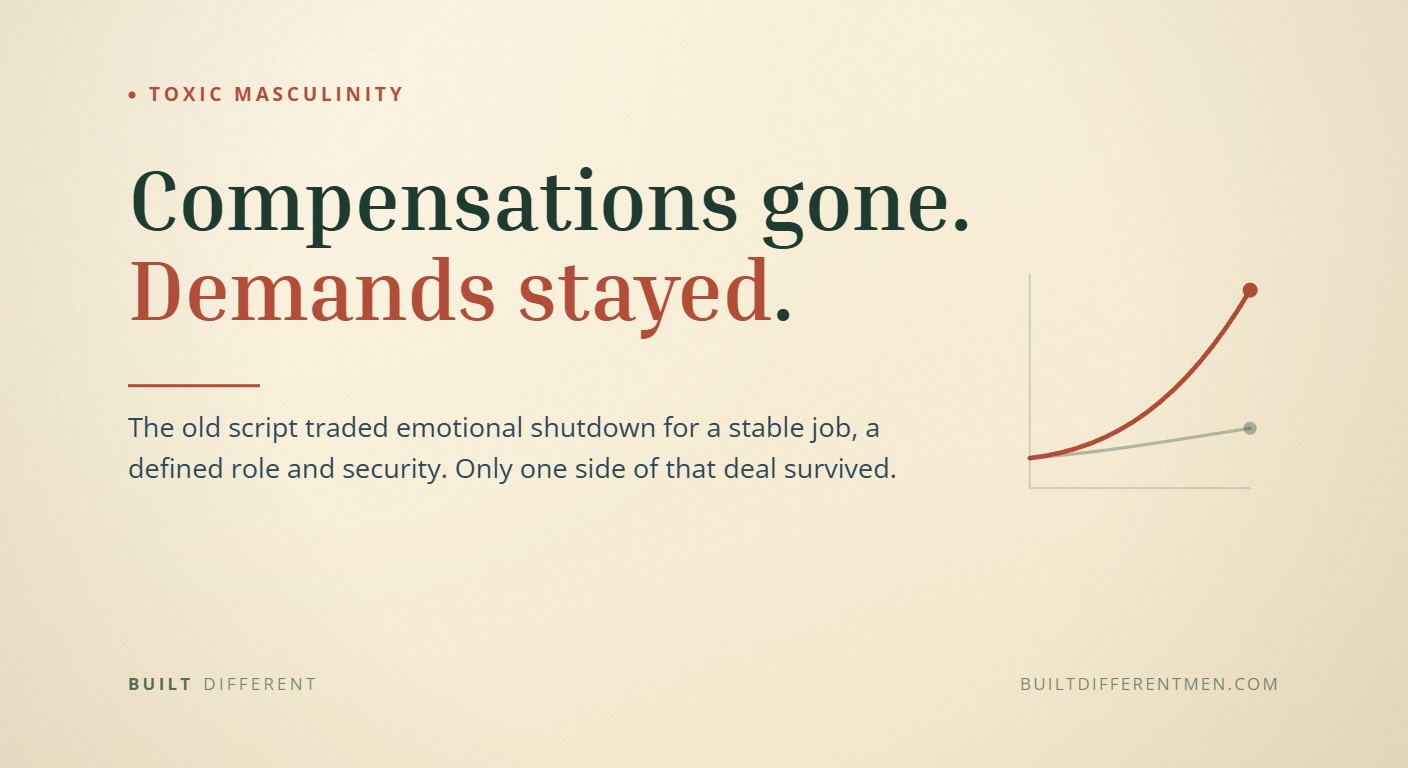
Why Traditional Masculinity Is Failing Young Men Today
The old script came with a deal: shut down emotionally, get a stable job, a defined role, security. The compensations are gone and the demands stayed, so men are being judged by standards built for a world that ended.
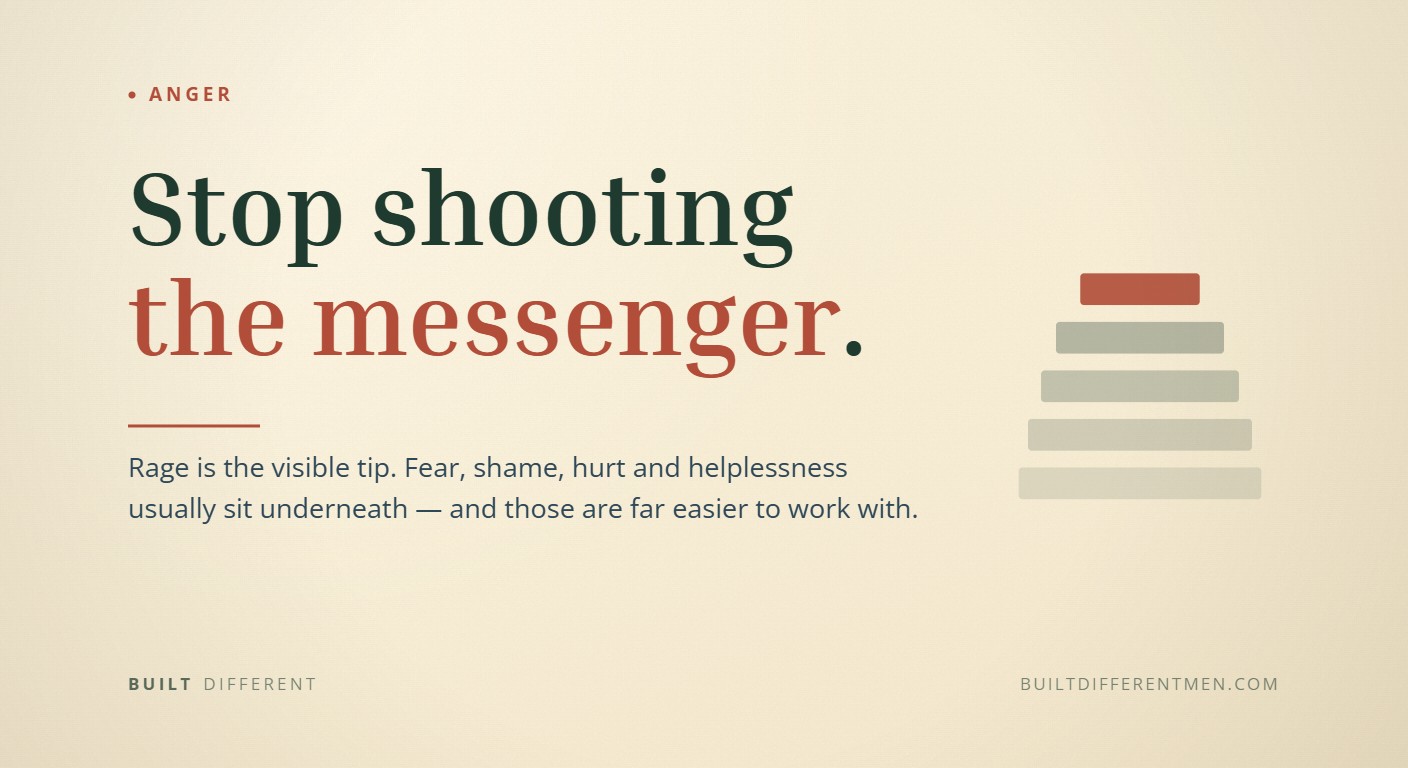
Anger Is Information, Not Identity: What Your Rage Is Trying to Tell You
Rage is the visible tip. Underneath it, most of the time, sit fear, shame, hurt, or helplessness — feelings that are actually easier to work with, once you stop shooting the messenger and read the message.
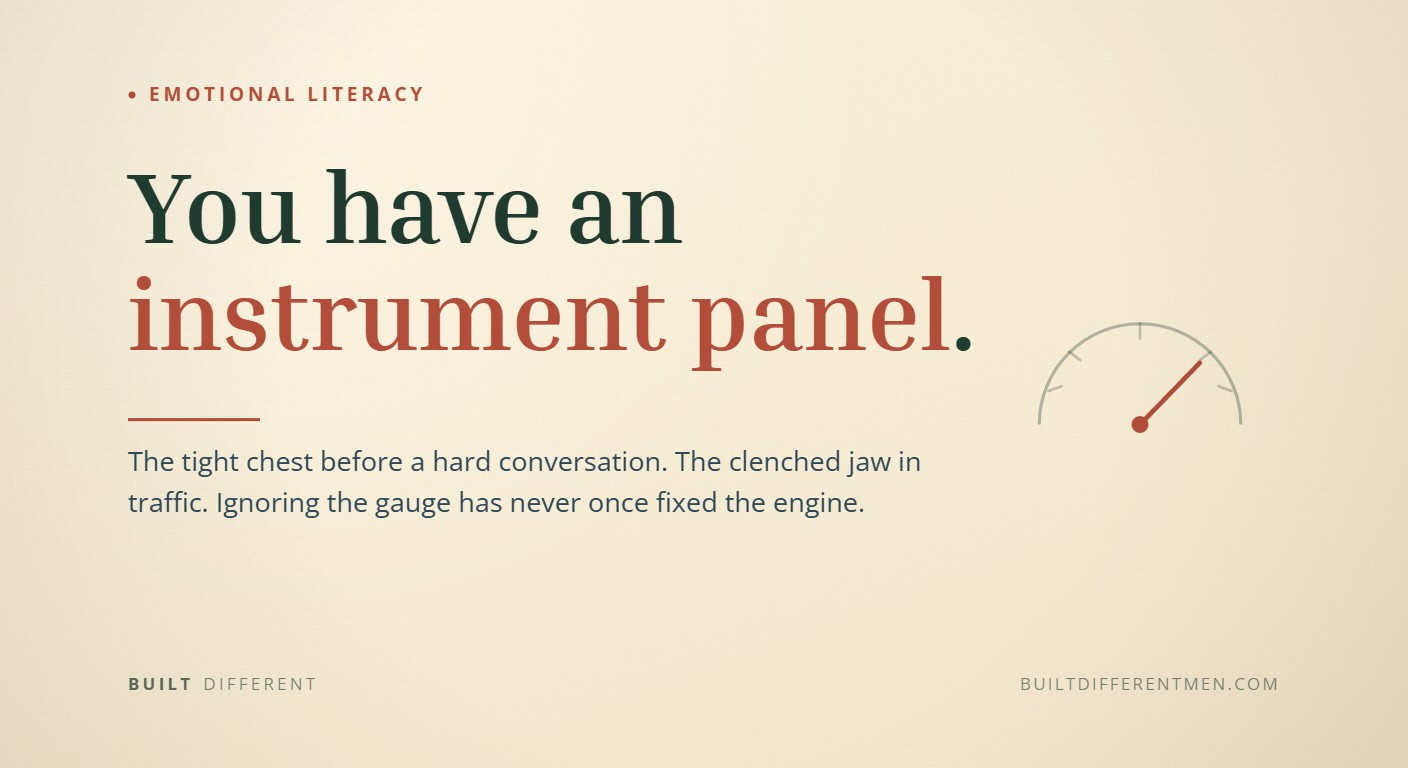
Where Emotions Live in Your Body (And How to Read the Signs)
The tight chest before a hard conversation and the clenched jaw in traffic aren’t random. They’re readings off an instrument panel most men were taught to ignore, and ignoring it doesn’t make the engine problem go away.
The Toolkit. No fluff.
A free weekly letter with one honest idea and one thing to actually try. For men who are tired of watching and ready to move.
Free. No spam. Unsubscribe whenever.

Keith Wilson
Keith Wilson has spent nine years working with young men at a youth center and in the community where he lives. He has witnessed firsthand how toxic online influences and the loneliness epidemic are shaping the current generation of young men. Drawing on his own experiences growing up without a clear roadmap for healthy manhood—and later struggling to guide his own son—he immersed himself in research on masculinity and developed the Healthy Manhood program as an alternative to the destructive messages flooding the internet. His work emerges not from having all the answers, but from years of listening to young men trying to navigate terrain that keeps shifting under their feet.